Home

Saturday, July 30, 2011

A day with the elephants - Kuala Gandah Elephant Sanctuary, Pahang, Malaysia

Into the river for a bath
Malaysia Department of Wildlife and National Parks set up the Elephant Relocation Team in 1974 and Kuala Gandah Elephant Sanctuary was officially established in 1989. For the last 25 years, more than 300 elephants have been relocated due to human-elephant conflict. The center aims to promote public awareness of the elephant’s plight in Malaysia and support research in the conservation of elephants. Hence, this center would be an ideal place to help maintain healthy elephant population in Malaysia and prevent its extinction. Currently, it is estimated that the jungle of Peninsular Malaysia has about 1,500 -1,800 elephants.

Riding the elephant
This is a place where the kids love it very much and during school holidays or weekends, buses of school children from all over the country will visit this site to have hands on feeding the elephant, riding the elephants and bathing the elephants. Currently, there are 40 elephants in the center and ten (Mahouts and Khoonkie) are trained to help in the operation of capturing wild elephants. 

As much as the kids enjoy the place so are the foreign tourists and locals. Located about 170km from Kuala Lumpur, it takes about one and half hour driving on the expressway and after exiting Lanchang, you have another 15km to get to the Sanctuary. Though the center opens from 9.00am to 5.00pm, the best time to be there is at 2pm as most activities will take place at that time. If you are coming in a big group, it would be better to call the center for reservation since only 150 visitors are allowed to ride and bathe the elephant each day. We came in the morning and had to wait until 2pm for the main activities to happen.


The skin of an elephant's trunk
Having the experience of interacting with human, these elephants are very friendly, playful and they listen to their skillful master very well. Some of these elephants are star and celebrities as they are used in the movie, Anna and the King, featuring Jodie Foster. However, security needs to be observed at all times since after all they are wild animals. Their bodies are rough and their hairs are stiff. You may want to wear pants when riding them.

There is no admission fee but you are encouraged to donate in the cause of the elephants. The center operates on government grants but maintaining the place and animals are not cheap. This place is a great place for kids!


The 16 years old Abott
She prefers the nuts in the package
The elephant gets a real scrub
The elephant man working hard
Naughty elephants splashing their masters
The elephants took a bath before taking the visitors for a ride
She is playful!
Clean and ready for next activities
Cleaning
Visitors queuing for a ride in the afternoon
Observing the elephants bathing from the platform
Skin of a young elephant

Wednesday, July 20, 2011

Half the World - Isfahan, Iran

Nash-e-Jahan Square
The flight from Shiraz to Isfahan took about 50 minutes. Here we are in the city that retains much of its past glory and was once the capital city of Iran during the Safavid dynasty (16th century). It has a population of about 1.5 million and the third largest city after Tehran and Mashhad. Our schedule in Isfahan was rather tight but with Maryam (Islamic Azad University student) around throughout our stay everything comes pretty easy.

Isfahan is famous for its Islamic architecture, with many beautiful and huge boulevards, covered bridges, monuments, palaces, mosques, and minarets. We visited the famous Si-o-se-Pol Bridge with 33 arches twice in the day and at night and spend hours roaming around the huge Bazaar-E-Borzog in Imam Square. The bazaar stretched kilometers away and it is impossible to see everything in a day. The grandeur scale of monuments and buildings with intricate, dazzling tiles work and designs reflects the richness of the history and culture of the Persian civilization.

The city is described in the famous Persian adage "'Esfahān nesf-e jahān ast" which means Isfahan is half of the world. Indeed, the grand Nagsh-e-Jahan Square (also know as Imam Square and Shah Square) is one of the biggest city squares in the world. It has been designated by UNESCO as a World Heritage Site. In the late afternoon, the square will be flooded with locals having a picnic and perhaps the biggest picnic I have ever seen all my life!


A section of the Bazaar-e-Borzog
A view from Ali Qapu
Another view from Ali Qapu Palace
Intricate tiles work
From the window of the palace

East entrance of the bazaar

Thursday, June 30, 2011

Money Matters in Iran

Specimen of Iranian Riyals
While credit card and debit card are almost as good as cash in most countries in the world, that’s not the case with Iran. Credit card, debit card and travelers checks are useless in Iran! I was absolutely wrong when I thought I could fork out some Iranian Riyals from the ATM in Tehran airport. We changed some of our USD into Iranian Riyals at the airport on the night we arrived. The currency is not tradable outside the country so you have to be very prudent about the amount you’re holding. Changing Riyals to other currency at the airport can be very inconvenient with long queues and especially if you are in a hurry to catch the flight home.

You need cold hard cash in Iran because the economics sanction has somehow cut off Iran from the international banking network. The ATMs in Iran only accept Iranian cards. I peeked into my wallet and I had only 800 USD and 100 GBP and that wouldn’t be sufficient to pay for hotels, food and shopping in Isfahan, Tehran and Shiraz. Next…was to quiz the rest, how much cash they had. After discussing, we were in consensus that the money matters will somehow be manageable. Oh..ok I am not too worried about not having enough money in Iran….I have Iranian bankers to save me J!

Foreigners have to be prepared when it comes to money because any banking transactions to and from Iran are really not easy! Some blogs even advise travelers to avoid accessing U.S. bank account via Internet since the account will immediately be blocked by bank due to sanction. It was the only day when we bought some carpets in Isfahan, by chance…we were just lucky because the shop has an account in Dubai. That was the only time we swiped our cards. 

Now, there’s a little confusion about the currency. While the currency is quoted in Riyals often prices are quoted in Toman to knock off the zeros. I was puzzled for a moment but it didn’t take long to learn how to handle the currency. 
For example if you have: 100,000 Riyals = 10,000 Toman = 10 USD 
Remember you need your passport to exchange money and do it at banks or an authorized currency exchange counter, not on the street, and always keep the exchange receipts.

Cehelsotoon (Pavilion of Forty Columns) – Isfahan, Iran


View of Cehelsotoon from the entrance

Cehelsotoon Palace is the largest building in the palace precinct set in a walled garden. The palace was built in 1647 by Abbas II (1642-1666) during the Safavid period and reconstructed in 1706 after it was damaged in a fire. In front of the palace is a long reflecting pool. The front section known as the talar has 20 columns made of cypress wood supporting the flat wooden roof. The palace probably got its name from the reflection of the 20 columns in the long pool, which made up a total of forty columns….but some disagreed with this interpretation. 

Regardless how the name is interpreted, this building is  impressive especially with the tall slender columns and extensive use of small pieces of glasses on the entrance (iwan) deflecting the lights.  It is almost similar to the ceiling decoration in the shrine of Imam Reza’s brother in Shiraz but of course the décor in the shrine is in a more grandeur scale. Most of the interior surfaces in Cehelsotoon are painted with murals of scenes taken from the Persian literature. Some of the murals are faintly visible and hence cameras with flashes are not allowed to protect the paintings.

After touring the palace, we strolled around the walled garden within the palace compound. The garden is not too big but it gives a sense of tranquility walking among the tall pine trees and shades; the soft music on air gives a relaxing ambience. Several trunks of very old trees are exhibited in the garden. It is so huge that you can walk through the hollow trunks.


The entrance
The back door of the palace
Tall cypress columns supporting the flat roof
Beautiful Talar
A closer view
Intricate wood carving
Shimmering pieces of glasses on the iwan (entrance)
The garden and Cehelsotoon
The entrance - view from Cehelsotoon
The entrance building and its reflection
The walled garden of Cehelsotoon
Old tree trunk

Monday, June 27, 2011

A Repertoire of Iranian Culinary

Chicken Kebab with huge portion of rice for one person

There is so much to write about the magnificent Iranian cuisine. Food is almost an element of entertainment everywhere we go and we had fun feasting the Iranian cuisine. I’m indulging myself too much with food but how else can one be entertained in Iran! Iranian cuisine is diverse, with each province featuring their specialty dishes and culinary tradition. A typical Iranian meal is a combination of rice with meat, lamb, chicken or fish. On top of the white basmati rice there is always the flavored saffron rice. What I love most is the balance mixture of sweet, savory and sour in the dishes.
The succulent Kebab Koobideh in Babolsar, Mazandaran

I love the minced meat kebab (Kebab Koobideh) soft texture and had a taste of it at a party in Mazandaran. In Isfahan we had the special Tah Dig dish (crunchy rice from the bottom of the pot – kerak nasi) where in my culture it is considered rude to serve such rice to one’s guests :). Next is the famous Chelo Kebab (rice served with tender roasted kebab) which is almost similar to steak and the best we tasted in a traditional restaurant in Tehran. Served with succulent grilled tomatoes on the side of the rice, and butter on top of the rice, the dish is superb.   

Saffron and pistachio flavored ice cream with faludeh
in Sanandaj
There is an extensive list of appetizers and desserts but Doogh, the traditional Iranian yogurt drink we tasted in Kurdistan was quiet interesting. Doogh is a combination of yogurt, carbonated water, dried mint and a little salt which is delicious after you have acquired the taste. We spoilt ourselves with ice cream in every parts of Iran we went. Iranian ice cream has several flavors of saffron, rosewater, pistachios, walnuts and many others. The Bastani-e Za’farani (saffron flavored ice cream) has a unique taste. We had several variation of the famous Faludeh (a frozen sorbet made with thin starch noodles and rosewater) in Shiraz, Sanandaj and Persepolis. 

At one of the restaurant by the  street of Shiraz we had Aash for breakfast, the delicious thick gravy served with warm thin flat bread .  We were introduced to too much Iranian delicious food that I lost count of them and their names. But when I looked at the pictures again, I can still imagine the taste...and what a celebration of food I had in Iran!


Aash - Thick gravy served with bread
Warm delicious bread for breakfast
Chai (tea) for breakfast
The delicious creamy ice cream in Amol, Mazandaran
Lemon flavored Faludeh in Rahoullah Bazaar, Shiraz 
Ice cream and Faludeh in Persepolis
The famous Tah Dig with fish in Isfahan
Salad in Shiraz
Mazandaran flatbread
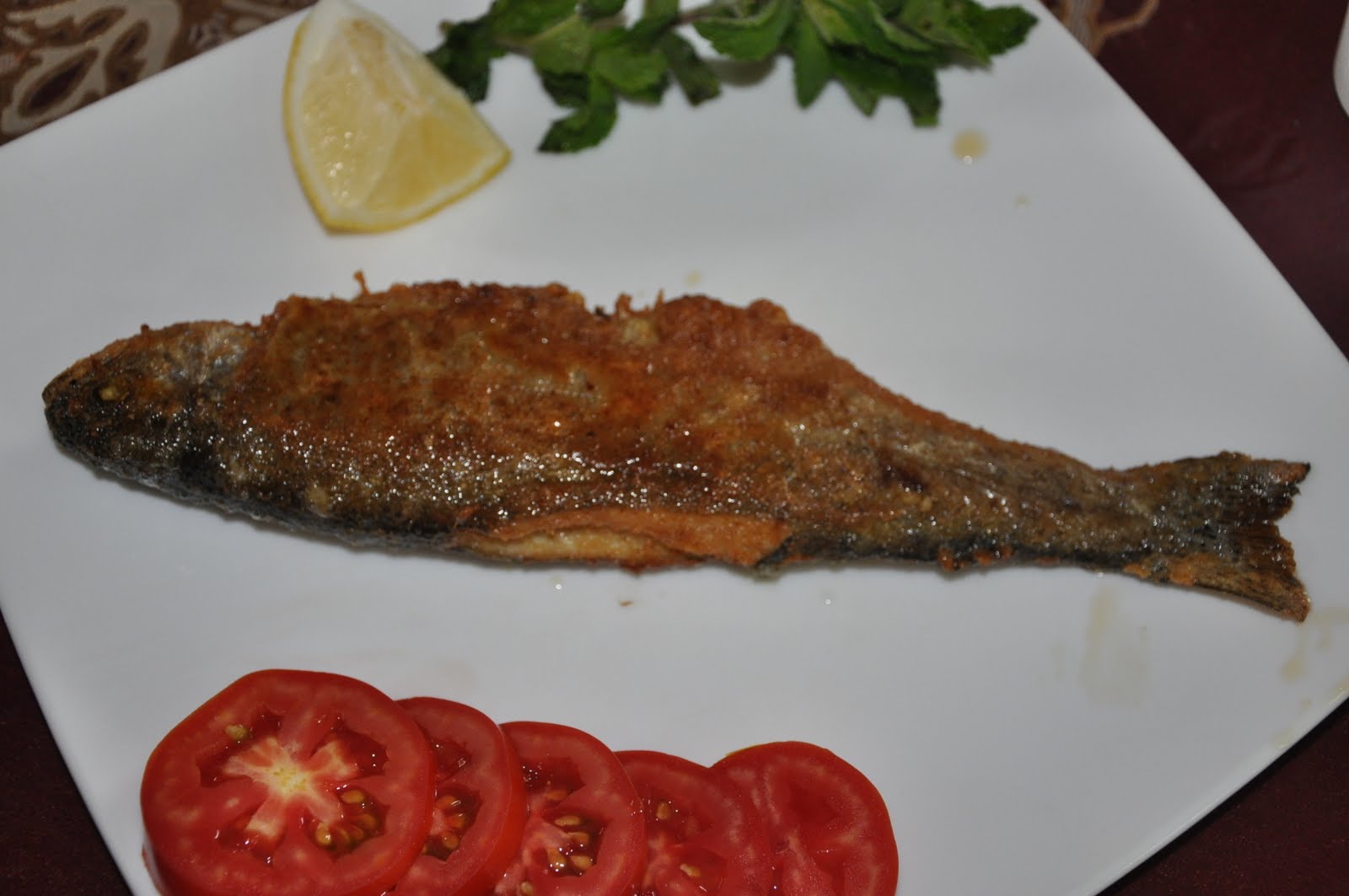
Fried fish at village restaurant
Mixed grill
Lunch in Shiraz
Delicious, healthy and colorful salad